
~ Thomas More
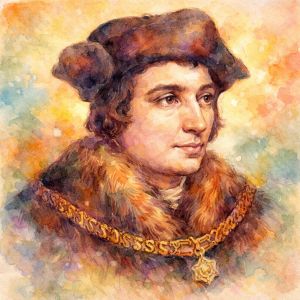 Brilliant statesman, scholar, and Chancellor of England, Thomas More (1478–1535) was born on this day in London,
England, the son of a respected judge.
Brilliant statesman, scholar, and Chancellor of England, Thomas More (1478–1535) was born on this day in London,
England, the son of a respected judge.
An astute attorney and advocate for free speech, he entered Parliament in 1504 and became known for unwavering integrity. “An absolutely new idea,” he once observed, “is one of the rarest things known to man.”
In 1516, More coined the word Utopia, meaning “no place.” Perfection may not exist, yet he envisioned an ideal society free from poverty and crime, grounded in equality and religious tolerance.
“You must not abandon the ship in a storm because you cannot control the winds,” he wrote. “What you cannot turn to good, you must at least make as little bad as you can.”
Named Chancellor by Henry VIII in 1529, More refused to endorse the king’s divorce or recognize him as supreme head of the Church of England. Convicted of treason, he was executed in 1535. Calling himself “the King’s good servant, but God’s first,” he became a symbol of moral strength and steadfast commitment to faith.
Beneath public courage lived a quieter conviction. The shaping of character begins in small, faithful acts. The habits practiced at home form the heart. The ordinary carries sacred weight. Even a vision of utopia begins there.
 There is wonder in the ordinary.